
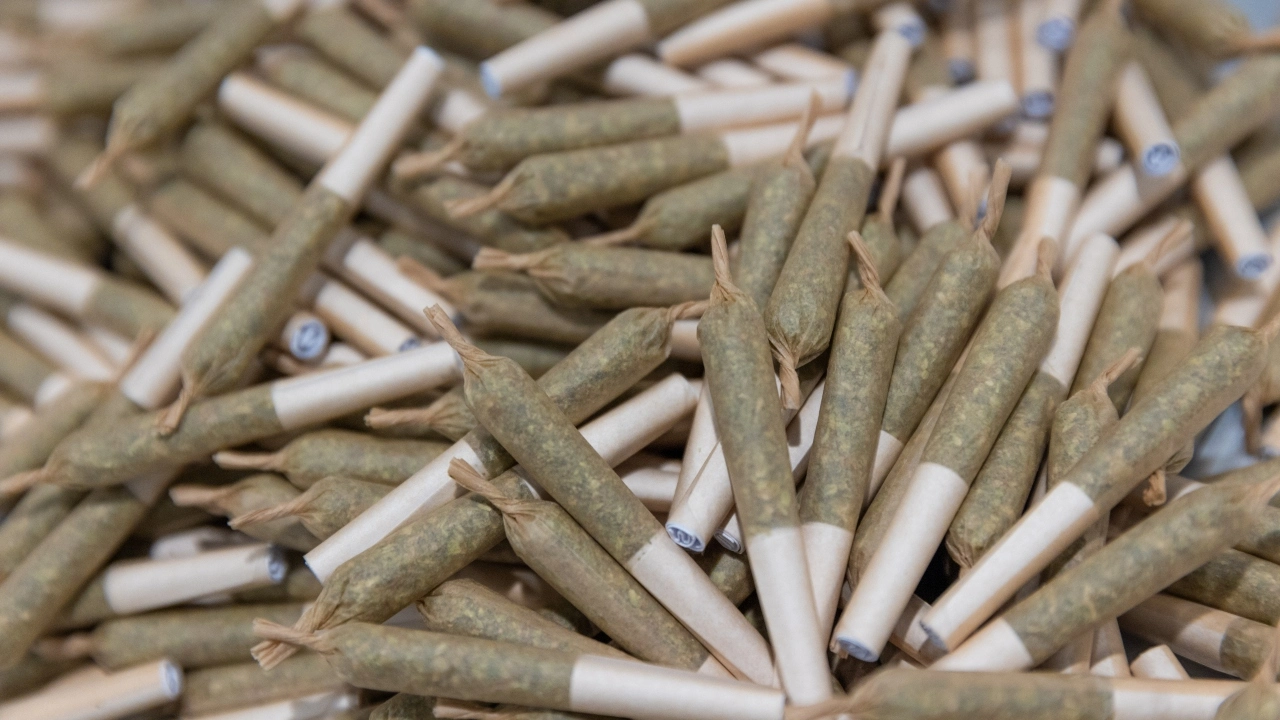
Michigan’s $3 billion recreational marijuana market — one of the nation’s largest — is on the verge of its biggest shake-up yet.
A new 24 percent wholesale tax set to take effect next year, along with proposals at the state level to cap licenses, temporarily stop a marijuana business from operating if public health is at risk and crack down on intoxicating hemp products, could upend an industry defined by low taxes and open competition.
The measures aren’t final — the tax faces a court challenge and the legislation is still being debated in state House and Senate committees — but together they signal the first major shift since recreational cannabis sales began six years ago.
If implemented, though, measures would reshape a market known for its low prices. Michigan sells more cannabis products because of low prices than any other state, including California with a population four times that of Michigan.
Below are some common questions about the tax and how it, as well as the proposed legislation, will impact the industry and what that means for consumers.
What does a tax mean for prices?
Several Michigan cannabis company executives say consumers will pay more for marijuana.
Raymond Abro, the chief operating officer of the multistate cannabis company Jars Cannabis, said in a recent post on Linkedin that prices will rise 20%–30% overnight. The price of ounce of marijuana flower, he said, hits a minimum of $100 to the consumer.
The average price consumers paid for an ounce of recreational marijuana flower in September was $63.16, according to data tracked by Michigan’s Cannabis Regulatory Agency.
Doug Hellyar, president and COO of Lume, one of the biggest cannabis companies in Michigan, said in an emailed statement that the tax “will place a significant burden on consumers who will immediately be facing higher retail prices than they’re used to.”
Read more at Detroit Free Press