
The cannabis industry finally got the jolt it’s been waiting for. With the federal government moving cannabis from Schedule I to Schedule III, the conversation has shifted from if reform will happen to what happens next. To unpack the implications, I sat down with Pablo Palomino, Chief Branding Officer at Mint Cannabis, a fast‑growing, home‑grown MSO operating in seven states.
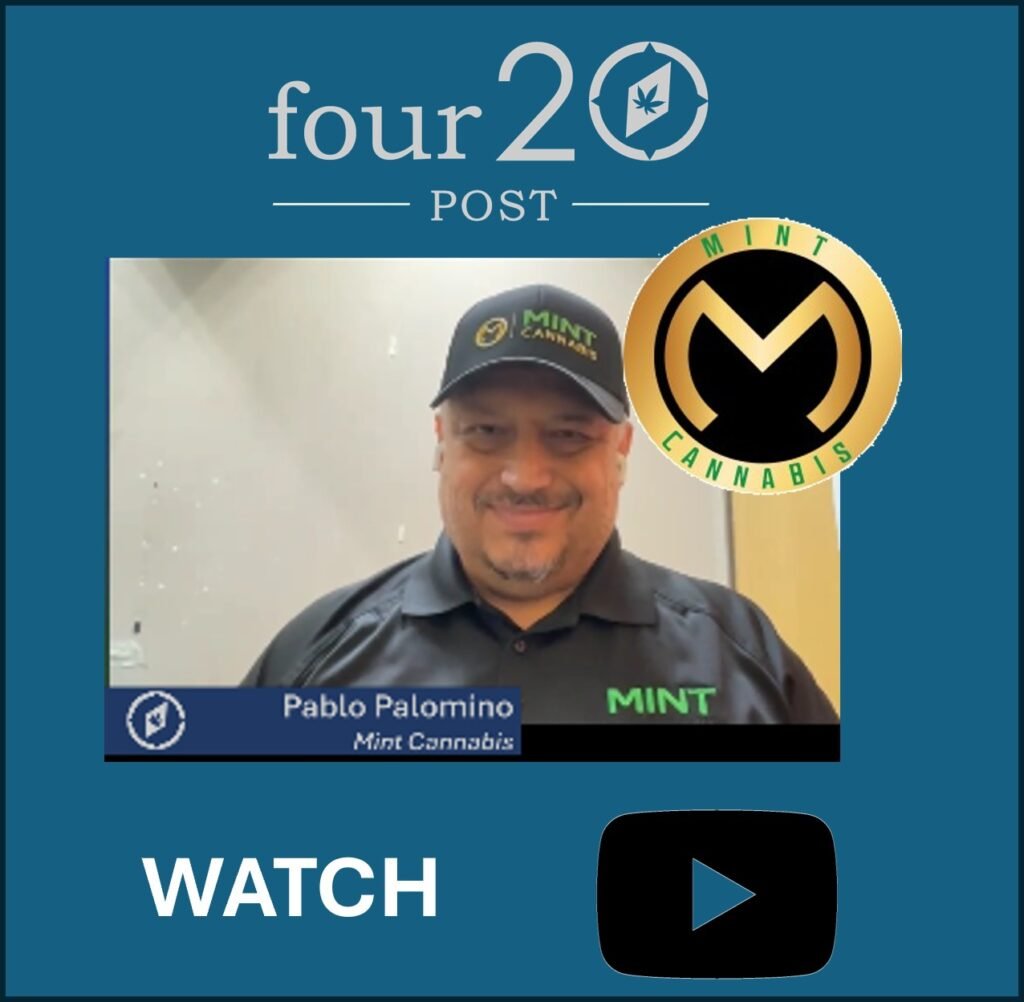
This post breaks down what changed, who benefits first, and why this moment—while not a finish line—is undeniably a turning point.
Mint Cannabis: A Home‑Grown MSO With National Reach
Mint Cannabis began nine years ago in Arizona and has expanded to 40 locations across seven states, including Michigan and Florida. As Pablo puts it:
“We’re pretty much a small mom‑and‑pop MSO… home grown in Arizona and expanding from here.”
His role? Ensuring the brand “looks good everywhere we go.”
What Actually Changed on Thursday?
1. Consumers won’t feel much—yet
If you’re a recreational or medical consumer, your day‑to‑day experience won’t suddenly shift.
“If you’re a consumer, you’re really not going to see much of a change anywhere.”
2. Medical‑only markets see the biggest immediate impact
This is where the real movement begins.
- Medical operators may finally shed the crushing burden of 280E, the IRS rule preventing cannabis businesses from deducting normal business expenses.
- That means lower tax pressure, better margins, and more breathing room for operators.
“The markets… mostly affected by it… are the purely medical markets… they’re gonna be able to do away with 280E.”
For Mint, that means Florida—a medical‑only state—is a big winner.
What This Means for Cannabis Entrepreneurs
If you’re running a cannabis business, especially in a medical‑only state, this is the first good news in a long time.
But Pablo is clear: this is not immediate relief.
“It’s definitely something to be happy about… but it’s not gonna be immediate… it’s gonna take time.”
Still, the direction is unmistakable. The industry is finally seeing federal movement after years of political stalemate.
Research, Testing & Universities: A New Era Opens
One of the most overlooked benefits of rescheduling is research access.
- Universities can now study cannabis more freely.
- More data means better products, better dosing, and better medical outcomes.
“It just opens up for more testing… more universities are gonna have the opportunity to do more research.”
Mint is already working with colleges and universities, giving students and researchers access to real‑world cultivation and production environments.
Will FDA Oversight Help or Hurt?
FDA involvement is a double‑edged sword.
- Pro: More research, more legitimacy, more standardized science.
- Con: Bureaucracy, delays, red tape.
“If FDA gets involved… that’s not gonna be good news… more hurdles… longer for products to get out there.”
Consumer safety? That’s already strong at the state level.
“Most of the markets already have those programs in place… we test everything.”
The Bigger Picture: Normalization of Cannabis Business
One of the most promising ripple effects is cultural and professional normalization.
As Pablo notes, a decade ago nonprofits wouldn’t even accept their checks. Today, universities, law firms, and ancillary service providers are actively seeking partnerships.
“It will definitely open more eyes… people can see what we really are.”
This shift matters. Cannabis companies need the same ecosystem as any other industry:
- legal services
- banking access
- logistics
- education and certification
Rescheduling doesn’t solve these overnight, but it accelerates the timeline.
What to Expect in June: The Real Inflection Point
June 29 is the next major milestone, when federal regulators revisit adult‑use considerations.
Pablo’s prediction? “I think we’re going to see a path… not necessarily implementation… but what’s next and some type of timelines.”
And politically, medical reform is an easier starting point—especially for veterans and patients seeking alternatives to pharmaceuticals.
What’s Next?
Pablo and I agreed to reconnect after July 4 to unpack whatever emerges from the June hearings.
“We’ll be happy to join you again… and see where we’re at that point.”
This story is just beginning.