
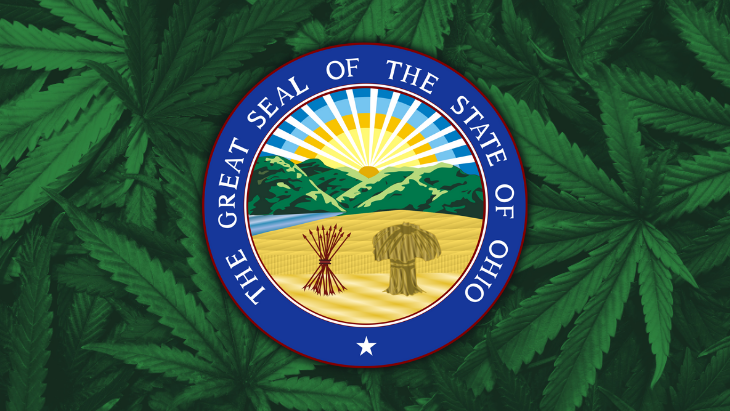
The Ohio General Assembly in September has been expected to make changes in the cannabis law voters approved in 2024, but it now appears likely that most of the main provisions for cannabis users won’t be modified.
Ohio House members, whether or not they wanted legal weed, have largely agreed the will of the voters should be respected, said state Rep. Tex Fischer, R-Boardman, a House leader on marijuana policy, reports The Advertiser-Tribune.
As a result, people who voted to legalize marijuana sales likely will be OK with the changes that finally emerge, Fischer predicts.
Ohio Senate proposals were defeated largely because of Ohio House opposition, which included:
• Hiking taxes on retail sales
• Prosecuting people who give a small amount of weed to a friend
• Cutting the number of marijuana plants people can grow at home; The current rule sets a maximum of six plants per person, 12 per household.
Marijuana poisonings of children have risen in Ohio because of kids mistaking gummies for candy, and there’s broad bipartisan agreement to ensure such products have less appeal to children, Fischer said.
And even marijuana advocates won’t vote to expand smoking marijuana to allow it in public parks, he said. Use of marijuana is currently legal in people’s homes.
“I think the conversation about raising taxes is pretty much dead on arrival,” Fischer said. “We’re still Republicans. We don’t like raising taxes.”
Changes likely will be limited to common sense rules, such as gummy packaging, as opposed to rolling back the law, he said.
Changes ahead for intoxicating hemp
One hangup to passing changes in Ohio’s cannabis law has been an argument over what to do about wide-open sales of intoxicating hemp, sold widely in smoke shops and other locations as Delta 8 THC.
There’s been a debate in Ohio over whether to simply ban such sales or to regulate them, including requiring testing and age limits for purchase.
Age limits in Ohio dispensaries are strictly enforced: Customers of all ages must show an ID to be allowed inside.
There are many other regulations. Products must be tested, and bags with purchases are stapled shut before customers leave the store.
No such rules apply to intoxicating hemp sales, a source of resentment for the state’s legal marijuana industry.
Fischer says he favors regulation of hemp rather than a ban. A ban would encourage a black market and would also move consumers to buy Delta 8 THC from websites, as the product remains legal nationally, he argues.
Hemp sales were legalized in the U.S. in the 2018 farm bill, although it’s not likely lawmakers meant to legalize intoxicating hemp.
Efforts to end the loophole allowing Delta 8 THC sales have stalled so far in Congress. Some states, such as Michigan and California, have essentially banned Delta 8 THC sales.
Read the rest of this story at The Advertiser-Tribune