
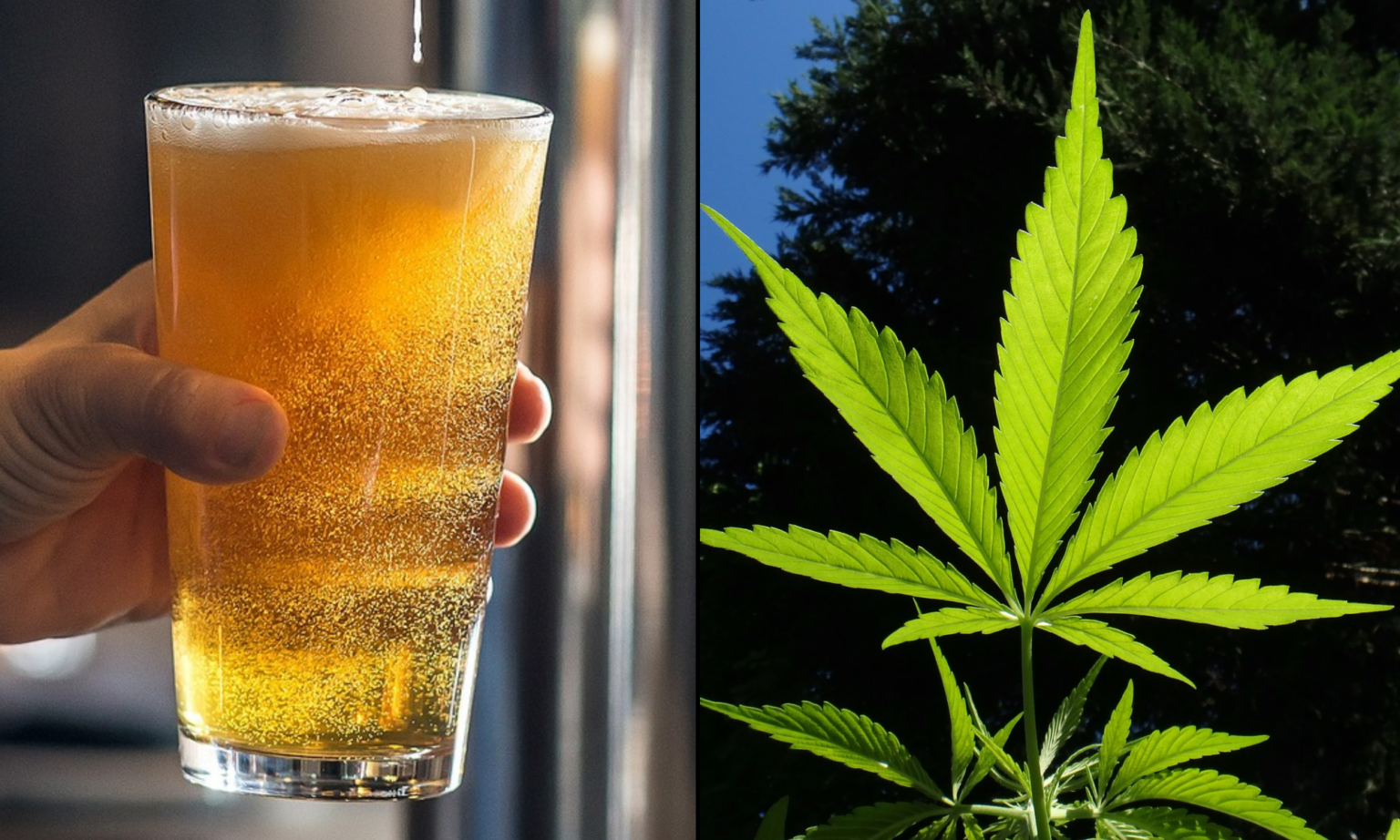
After years of rapid expansion, Michigan’s craft beer industry is now going flat due to economic pressures, changing consumer habits, and increased competition from the cannabis market.
An article this week delved into why the craft beer boom is over, and what the survivors are doing to continue to stay open and thrive. Below are five of the most notable reasons for the decline.
Craft beer growth began to slow before COVID
For the first time in recent memory, the number of breweries across the U.S. is declining, with closures outpacing openings in the past year.
In Michigan, the number of breweries, which grew from 105 in 2010 to 400 in 2019, has now plateaued at around 420. State data also shows a slight drop in microbrewer licenses issued in 2025 compared to the previous year.
Economists describe this as a “maturing market,” where the rapid expansion seen in the 2010s is no longer sustainable.
Survival now depends on diversification beyond beer
To stay afloat, breweries are expanding their offerings well beyond beer to attract a broader customer base. Recognizing that many groups include non-beer drinkers, businesses are adding spirits, wine, ciders, and full food menus.
For example, Brewery Vivant rebranded to Vivant Brewery and Spirits, and HOMES Brewery launched its own brands of hard smoothies (Smooj) and low-alcohol vodka spritzers (CiNCH). This strategy of becoming a more versatile beverage and dining destination is viewed as a necessary evolution to appeal to changing consumer tastes and create more reasons for customers to visit.
Competition from cannabis and canned cocktails Is siphoning customers
Breweries are no longer just competing with each other; they’re now vying for consumer dollars against legal cannabis and a flood of ready-to-drink (RTD) beverages.
Since Michigan legalized recreational cannabis in 2018, anecdotal evidence suggests that college-aged consumers are choosing it over beer. Furthermore, even dedicated craft beer drinkers are spending their money on other options like canned cocktails and hard seltzers. This trend means that although the number of people who drink craft beer may be high, they are consuming it less frequently, leading to an overall decline in sales volume per person.
Business model has shifted to taproom experiences
Breweries are increasingly focusing on their physical taprooms as experiential destinations rather than just places to drink beer. With people leaving their homes less frequently post-COVID, breweries are adding entertainment like trivia nights and artist markets to entice customers.
This model also emphasizes direct-to-consumer sales, which helps build a loyal fan base and provides a more reliable revenue stream as distribution sales dwindle. Griffin Claw Brewing Company, for instance, credits its two taprooms for its recent positive momentum and is planning to open a third, while HOMES Brewery leans into providing exceptional hospitality to keep customers coming back.
Read more at MLive