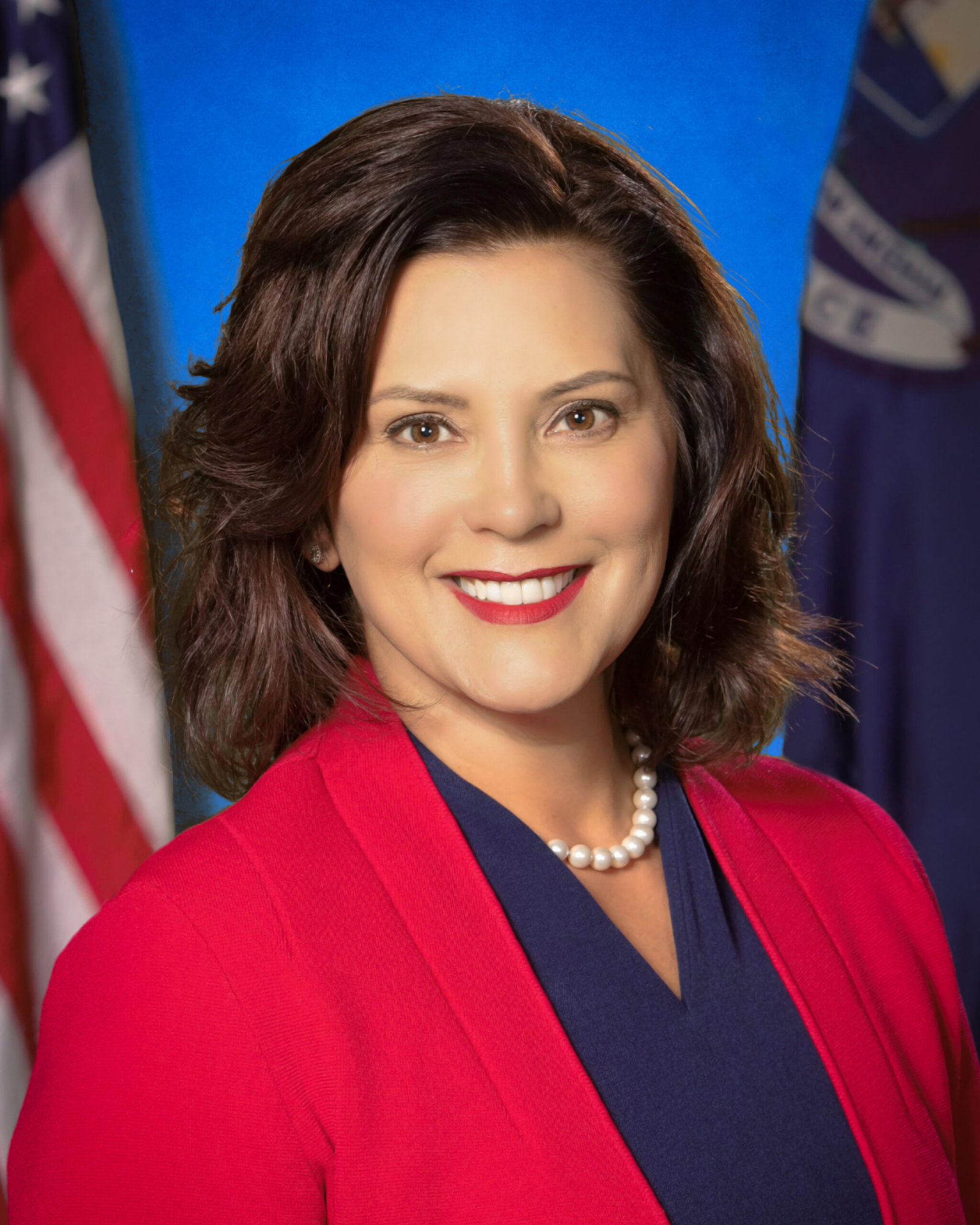
Gov. Gretchen Whitmer’s plan to fill a “gap” in the next state budget banks on tax hikes, reserve funding, and to-be-determined spending cuts and other savings.
Two of those measures — the tax increases and rainy day fund withdrawal — are already under fire from Republicans who control half of the Legislature. It signals the potential for a second straight bumpy budget cycle amid divided government, this time during an election year.
Lawmakers are confronting what budget director Jen Flood calls a $1.8 billion problem, over $1 billion of which she attributes to health care-related cost pressures.
Here is a look at key facets of the $86.7 billion proposal Whitmer’s administration unveiled Feb. 11.
‘Sin’ taxes
Legislators are being asked to back $800 million-plus in higher taxes to fund Medicaid and other health care programs months after they enacted a marijuana tax increase as part of a $3 billion road-funding package.
They largely are “sin” taxes on smoking, vaping and gambling, though the tax that would generate the most, $282 million, is a new 4.7% levy on digital advertising revenue.
In a briefing paper, the budget office says Michigan’s $2 per-pack cigarette tax is the second-lowest in the Great Lakes region, behind Ohio, and higher cigarette taxes are associated with declines in smoking. Whitmer also wants to boost the 32% wholesale tax on pipe tobacco, dip and snuff to 57% and start taxing vaping products at the same rate to curb “the newest on-ramp to nicotine addiction.”
Vapes currently are not subject to an excise tax like tobacco, beer, wine, liquor and marijuana. A similar vaping proposal died last year.
Health advocates welcomed the focus on tobacco and nicotine products as a way to “put Michigan on a much healthier path with less addiction,” said Minou Jones, chair of the Detroit Wayne Oakland Tobacco Free Coalition.
Read more at Crain’s Detroit